The Situation
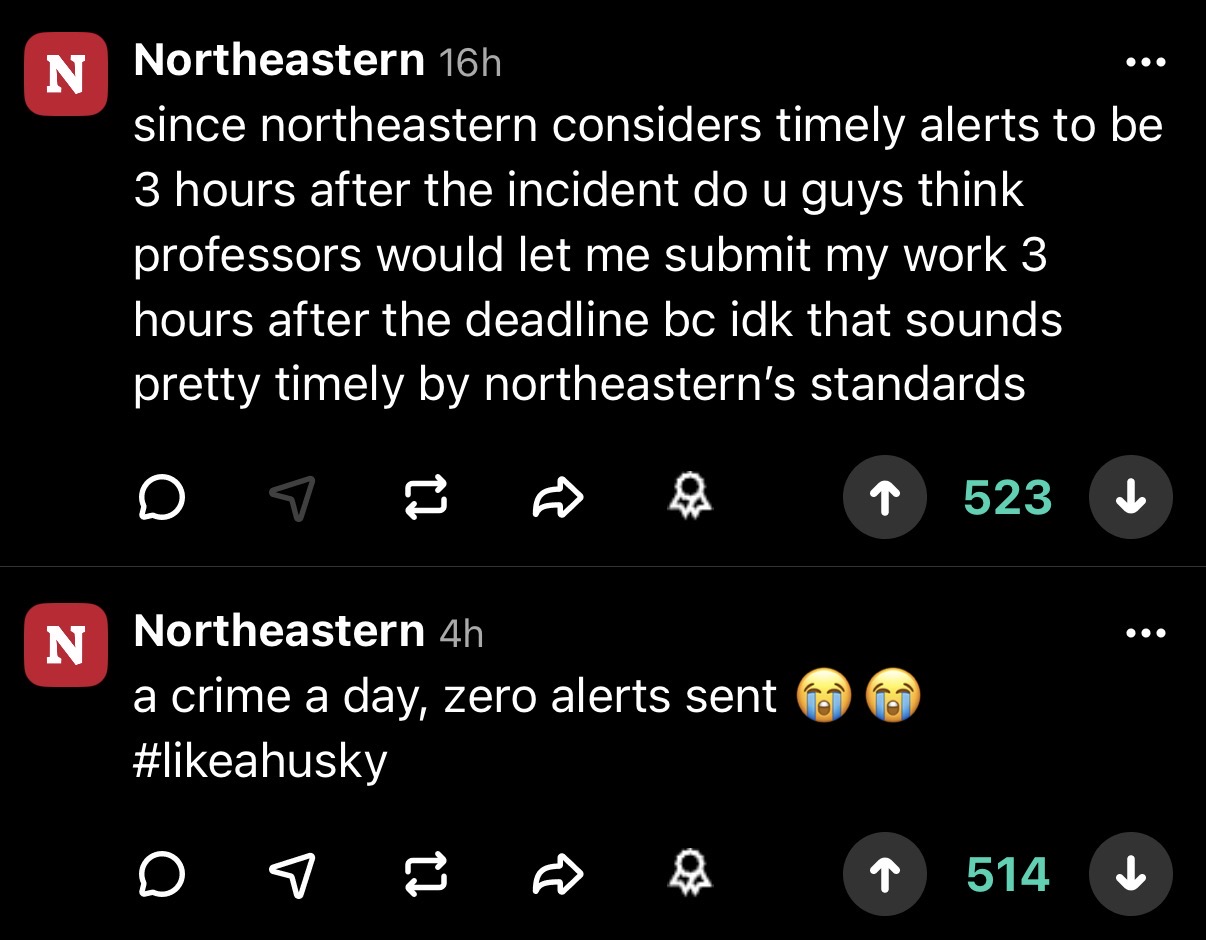
I might not be too far off when I say that many of us have received urgent, stressful texts to check YikYak or Sidechat about the recent violent events on campus. Scrolling through the posts shows an array of people talking about what happened, opinions on campus security effectiveness, and more. For those who don’t know, YikYak or Sidechat is an app that functions as a pure text/upvote social media platform, but limits communities to university campuses by requiring email verification for specific schools. This creates a connected network between a school campus and a completely anonymous post format, sparking discussion on current events directly tied to the university and its student body. (Sidechat and YikYak are the same app/servers, but I will refer to it as Sidechat for simplicity from now on)

Fueling Polarization
The posting format of Sidechat directly feeds into what Sunstein defines as group polarization. Each comment has an upvote tally that directly ties to how fast other students see the post. This means that the algorithm of the app relies directly on how much other students agree with the post, feeding into the group mentality. Additionally, what Fallis talked about in the lecture, human nature will naturally amplify and push opinions to the extreme when talking with a group. Sidechat is an example of how information technology amplifies this by making this group connection more accessible and faster. Lastly, the anonymity of Sidechat, not having any identity tied to posts, frees people to exaggerate posts or vocalize more extreme positions without risk of pushback, which feeds even more into the polarization and extreme viewpoints of the group.
Benefits
- Sparks discussion and involvement on campus, which could highlight and vocalize issues that students are facing. For example, how students are sharing their disapproval of NUPD’s response to the events in the past week.
- Sunstein talks about how filtering is inevitable to reduce overload, and Sidechat offers filtering purely from the group consensus of upvotes rather than a personalized algorithm that could cause things like echo chambers.
- Kerzgesagt talks about how the internet used to be beneficial when small communities formed, rather than worldwide disagreements. Sidechat could be an answer to this issue, creating small communities based on location.
Costs
- As Nguyen describes, an echo chamber could be created by the group discrediting opposing voices directly through the voting system of the app.
- Group polarization encouraged by this app not only leads to a certain opinion but amplifies it to an extreme position, especially with anonymous posts, to the point of highlighting escalated views.
Potential Discussion Questions:
- How did you keep up with the current events on campus? Did you use Sidechat at all to get news, and how did that affect your opinion on what happened?
- What differs between a community-bound forum like Sidechat and a forum/social media open to the whole world like Facebook or Reddit?
- Do you think the anonymous format of Sidechat helps or hinders its epistemic value?